
Events
Germany Revolutionizes Clean Steel Production by Building a Hydrogen Pipeline

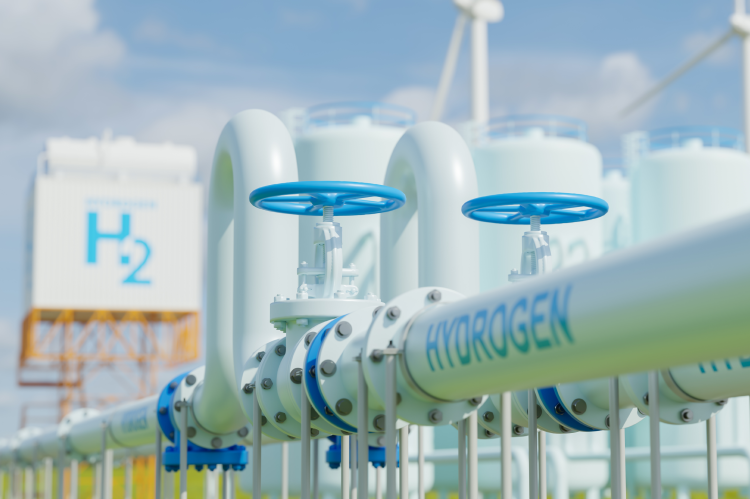
Germany has taken a major step in the transformation of its steel industry and, by building a 109-kilometer pipeline dedicated to hydrogen transport, is laying the groundwork for steel production with the lowest level of pollution in the country. This project, carried out within the framework of the large “Green Octopus of Central Germany” program with the support of the European Union, will play a key role in replacing fossil fuels with clean hydrogen in the steel production process, and its ultimate goal is a 95 percent reduction in greenhouse gas emissions compared with traditional methods.

The most important achievement of this plan is the gradual elimination of coal from the steel production cycle and its replacement with hydrogen, which significantly reduces greenhouse gas emissions. According to the SALCOS transformation program, full implementation of this project will be equivalent to removing about 8 million tons of carbon dioxide annually. In the first phase, using green hydrogen, carbon emissions will fall by up to 30 percent compared with the 2018 base year. This transformation is steering Germany’s steel industry toward the production of “green steel,” which is not only beneficial for the environment but, given the growing global demand for low-carbon products, will also create a major competitive advantage for the country in international markets.

This project, which is due to be implemented starting next year, is a concrete example of turning environmental threats into industrial opportunities. With the implementation of this plan, while preserving employment in the steel industry, greater added value will accrue to the industry through the production of advanced and environmentally friendly products, and it will draw a clear path for other industrial countries toward achieving climate goals. The global steel industry is responsible for about 7 percent of total carbon dioxide emissions, and initiatives of this kind can have a significant impact on reducing industrial pollutants.